
Urgent Care vs. Primary Care: What’s the Difference?
Understanding the Difference Between Urgent Care and Primary Care
When you have a medical problem, or your child is sick, deciding where to go for care can be difficult. Urgent care and primary care are popular choices for medical care, but understanding the differences between them allows you to choose care that fits your needs, symptoms, and timing.
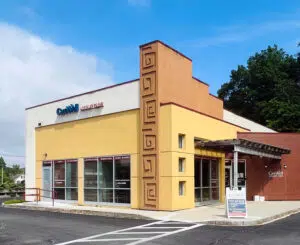
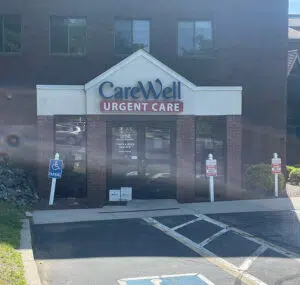
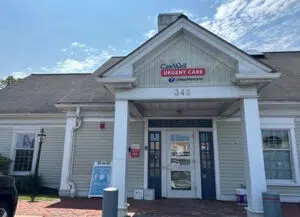
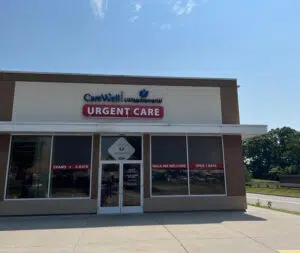
When you or your family need prompt care for a health issue or injury, visit CareWell Urgent Care. We offer high-quality, trusted care for unexpected illnesses and injuries. With convenient locations across Massachusetts and Rhode Island, patients have access to reliable care when waiting for an appointment is not practical.
When To Choose Urgent Care vs. Primary Care
Urgent care can treat many of the same illnesses and injuries that primary care services can. However, urgent care works well in situations involving sudden symptoms or when it may be difficult to get an appointment with your provider and waiting several days doesn’t feel manageable.
Examples of when to go to urgent care are medical concerns that require prompt attention but are non-life-threatening conditions. These could be problems that are causing discomfort or concern, but do not involve severe chest pain, major trauma, uncontrolled bleeding, or sudden breathing difficulty. Those symptoms should be addressed at the Emergency Room.
Urgent care is appropriate for:
- Flu-like symptoms, sore throat, fever, or cough
- Sprains, strains, minor fractures, or small cuts
- Ear pain, sinus infections, or urinary symptoms
- Rashes or mild asthma flare-ups
Primary care is appropriate for:
- Annual physicals and preventive screenings
- Chronic condition management
- Medication refills and long-term planning
- Follow-up visits after illness or injury
Key Differences Between Urgent Care and Primary Care
Urgent care and primary care both support patient health, but each setting serves a different purpose. Urgent care generally focuses on immediate needs, while primary care supports long-term health management. While there is some overlap for services such as health physicals and lab testing, there are key differences:
- Timing: urgent care supports same-day medical treatment, while primary care often schedules visits
- Access: urgent care offers walk-in visits; primary care typically requires appointments
- Focus: urgent care treats sudden illness or injury; primary care tracks health over time
- Continuity: primary care follows medical history; urgent care addresses the current issue
- Coordination: primary care manages long-term planning
Urgent care and primary care typically provide services for a similar range of illnesses and health conditions. However, there are several key differences you should understand as you decide whether to seek treatment at urgent care vs. primary care.
What Urgent Care Treats
Urgent care is designed to diagnose and treat a broad range of non-life-threatening illnesses and injuries. With convenient hours and onsite diagnostic services, CareWell Urgent Care provides walk-in medical care that allows patients to be evaluated and treated during a single visit. Common conditions treated include:
- Flu, bronchitis, and Strep throat.
- Allergies and sinus infections.
- Asthma attacks and COPD.
- Sprains, strains, and minor fractures.
- Cuts, scrapes, and bruises.
- Sports injuries.
- Urinary tract infections (UTIs).
- And many more.
This setting also supports after-hours care when primary care offices are closed and symptoms cannot wait.
What Primary Care Treats and Manages
Primary care – also called family medicine – focuses on long-term health management and preventive care. One goal of primary care is identifying health concerns early through routine monitoring and screenings. Other services offered by primary care clinics may include:
- Preventative Services
- Nutrition guidance.
- Managing chronic illness.
- Coordinating care with specialists.
- Depression screening.
- Women’s health screenings.
- Pediatric care.
- Annual physicals.
- Treatment of acute injuries or illness.
Can Urgent Care Replace a Primary Care Provider?
CareWell Urgent Care offers a convenient range of services, including physical exams, lab work, and school or work physicals. Patients can access care through our Virtual Urgent Care or visit in person for Urgent Care Testing and diagnostic evaluation.
Urgent care is not a replacement for long-term care with a primary provider. Primary care providers support continuity, preventive planning, and chronic condition management. Urgent care works best as a complement, offering timely care when an appointment with a regular provider is not available.
Hours and Convenience: How Urgent Care Compares to Primary Care
Convenience and access are meaningful differences between care settings. Primary care offices generally operate during standard weekday hours. CareWell Urgent Care locations are open daily from 8 a.m. to 8 p.m., offering flexibility when care is needed outside traditional schedules.
Situations that often call for urgent care include:
- A child developing a sudden fever
- Symptoms worsening during the evening
- A minor injury while traveling
- Illness or pain after work that needs evaluation
Cost Differences Between Urgent Care and Primary Care
For insured patients, urgent care co-pays are often similar to primary care visits. Without insurance, costs vary based on the services provided during the visit. We work with most major insurance plans and offer self-pay options for patients seeking transparent pricing.
Cost considerations may include:
- Insurance coverage and co-pay amounts
- Imaging or lab testing
- Self-pay visit type
Fast, Convenient Care at CareWell Urgent Care
At CareWell Urgent Care, we support patients who need care without long waits or scheduling barriers. Our Urgent Care Services complement primary care by addressing immediate needs while allowing primary providers to focus on long-term management. With locations throughout Massachusetts and Rhode Island, CareWell offers access to include adult and Pediatric Urgent Care.
Walk In for Convenient Same-Day Care
Urgent care is the right option when symptoms need prompt attention and waiting is not practical. Our team is here to offer you and your family efficient evaluation and treatment for unexpected illness or injury.
Save Your Spot or Walk In Today to receive care at an urgent care near you.