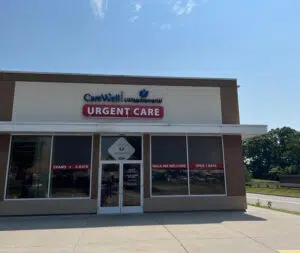

Same-Day Care for High Fever and Concerning Symptoms
A high fever can come on quickly and leave you feeling miserable. Whether it's accompanied by chills, body aches, a sore throat, cough, fatigue, or signs of dehydration, prompt evaluation can help identify the cause and get you started on the right treatment.
At CareWell, we provide same-day fever evaluation for children and adults with non-life-threatening illnesses so that you don't have to wait days for an appointment. Our experienced providers evaluate a wide range of fever-related conditions and help determine if additional testing or treatment is needed.
If you're looking for urgent care for high fever, our team offers convenient, compassionate care designed to help you feel better as quickly as possible.
What to Do for a Fever Before You Come In
While some fevers improve with home care, it's important to monitor your symptoms closely.
Before your visit, you can:
- Check your temperature regularly.
- Drink plenty of fluids to stay hydrated.
- Get extra rest to help your body recover.
- Take over-the-counter fever reducers as directed.
- Use a cool compress for added comfort if needed.
If your fever continues to rise, lasts longer than expected, or is accompanied by worsening symptoms, it's time to seek medical evaluation. We provide fever treatment urgent care when home care is no longer enough.
If you suspect your fever is due to a contagious illness, like the flu or COVID-19, it's crucial to isolate yourself to prevent spreading the infection to others.
Seek emergency medical care right away if your fever is extremely high or occurs alongside severe symptoms such as difficulty breathing, chest pain, confusion, seizures, or persistent vomiting. For life-threatening emergencies, call 911 immediately.
Age-by-Age Guidance for High Fevers
Knowing when to go to urgent care for a fever varies by age. While adults often seek medical attention for high fevers or ones that last several days, infants and young children might require urgent care for lower-grade fevers due to their vulnerability to serious infections.
Infants
Any fever in a baby younger than 3 months requires emergency care rather than urgent care.
Toddlers
A fever of 102°F (38.9°C) or higher, or one accompanied by persistent vomiting, unusual sleepiness, poor fluid intake, or other concerning symptoms, should be evaluated promptly.
Children
A child fever that lasts more than two days, reaches 102°F or higher, or occurs alongside significant sore throat, rash, dehydration, ear pain, or other concerning symptoms should be assessed by a medical provider.
Adults
An adult fever over 103°F or one that continues for several days may require medical evaluation, particularly if accompanied by worsening pain, vomiting, severe fatigue, or other concerning symptoms.
Our team provides evaluation for patients of all ages with non-emergency fever concerns, including children through our pediatric urgent care services.
Red Flags That Mean a Fever Shouldn't Wait
Elevated body temperature is only one part of the picture. Certain accompanying symptoms may indicate it's time to seek prompt medical care.
Signs of Dehydration
- Dry mouth
- Reduced urination
- Dizziness
- Difficulty keeping fluids down
Worsening Illness
- Persistent vomiting
- Severe sore throat
- Rash that continues to spread
- Increasing body aches or pain
Concerning Changes
- Extreme fatigue
- Difficulty staying awake
- Symptoms that continue getting worse instead of improving
These fever symptoms and warning signs can help determine when a same-day evaluation is appropriate.
Emergency Room vs. Urgent Care: Where to Go for a Fever
Understanding urgent care vs. ER for fever can help you choose the right level of care more quickly.
Go to Urgent Care
Visit us if you have:
- A stable fever with chills, cough, sore throat, or body aches
- Mild to moderate dehydration
- Ear pain or sinus symptoms
- Flu-like illness
- A fever that persists despite home care
Go to the ER
Seek emergency medical attention for:
- Fever in infants younger than 3 months
- Difficulty breathing
- Confusion
- Seizures
- Severe chest pain
- Loss of consciousness
If you're uncertain, our providers can help determine the most appropriate next step based on your symptoms.
Common Causes of High Fever We Evaluate
Many illnesses can cause a fever, and identifying the source often helps guide treatment.
Common conditions we evaluate include:
- Influenza and other viral illnesses
- Strep throat
- Ear infections
- Respiratory infections
- Sinus infections
- Urinary tract infections
- Other common bacterial or viral infections
Depending on your symptoms, your provider may recommend urgent care testing for fever to help identify the cause more quickly. Our centers offer convenient, high fever urgent care testing for many common illnesses. Patients with flu-like symptoms may also benefit from our flu testing and treatment services.
Why CareWell Is a Convenient Choice
When you're not feeling well, getting answers quickly matters. We provide walk-in urgent care services seven days a week, making it easier to receive prompt evaluation without the long wait often associated with other healthcare settings. From your initial assessment through treatment recommendations, our goal is to help you feel informed and supported every step of the way.
If you're wondering what to expect at urgent care, our providers will evaluate your symptoms, discuss possible causes, recommend any necessary testing, and explain your treatment options before you leave. We also treat a variety of child illness and injuries, making us a convenient choice for families needing care in one location.
Get Fast Fever Relief at CareWell
If a fever is making it difficult to get through your day, don't wait to get evaluated. Our providers are here to assess your symptoms, identify potential causes, and recommend the next steps for recovery.
Visit one of our convenient CareWell urgent care centers for prompt care or save your spot online to reduce your wait time.