
Breathing difficulties can develop for many reasons, including asthma flare-ups and respiratory infections. Wheezing, shortness of breath, coughing, or chest tightness may need prompt medical attention when symptoms are getting worse or making normal activity difficult.
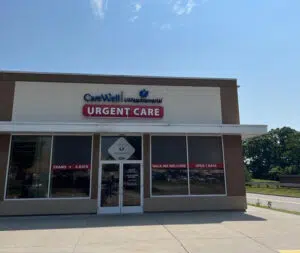
CareWell Urgent Care evaluates non-life-threatening respiratory concerns and can recommend treatment based on your symptoms and exam. Depending on the cause, care may include inhaled medication or another breathing treatment. Severe or sudden breathing difficulty requires emergency care instead.
When to Visit Urgent Care for Breathing Problems
Mild to moderate asthma attacks, respiratory infections, and other conditions can make breathing more difficult than usual. When those symptoms need prompt attention but are not severe enough for the emergency room, urgent care may be appropriate.
Consider being evaluated if symptoms are worsening, continue despite your usual medication, or interfere with everyday activities. If you’re using an inhaler or other respiratory medication, tell the provider when you last used it and whether it helped.
Pneumonia and other respiratory infections can cause shortness of breath along with coughing, fever, or congestion. CareWell may recommend urgent care testing to help identify the cause. Urgent care can address new or worsening symptoms, while primary care is better suited to ongoing management of chronic respiratory conditions.
What to Expect During a Breathing Treatment at Urgent Care
Your provider will ask when the problem began, what other symptoms you have, and what you have already tried for relief. They may also review your medical history, current medications, and previous asthma attacks or respiratory problems.
The evaluation may include checking your vital signs and oxygen level and listening to your lungs. Based on those findings, treatment may include inhaled medication or nebulizer treatments.
A nebulizer delivers medication as a mist through a mask or mouthpiece. After treatment, your breathing may be checked again. If you need more intensive monitoring or treatment, you may be directed to the emergency room.
When Breathing Problems Need Emergency Care
Call 911 or go to the emergency room for severe or sudden trouble breathing, especially if you can’t speak normally because of breathlessness, your lips or skin appear bluish, or you become confused or faint.
Rapidly worsening symptoms or difficulty breathing that is not responding to prescribed rescue medication can also signal a medical emergency. CareWell treats non-life-threatening conditions in urgent care, while emergency care is appropriate for severe breathing problems that need immediate treatment.
Frequently Asked Questions About Breathing Treatment at Urgent Care
What Can Urgent Care Do for Breathing Problems?
Urgent care can check your oxygen level and lungs, recommend testing when needed, and provide treatment for many non-life-threatening respiratory concerns. Depending on the cause, care may include medication, a breathing treatment, or follow-up instructions.
Can Pneumonia Be Treated at Urgent Care?
Urgent care can evaluate symptoms that may be caused by pneumonia and may use testing or imaging to help with diagnosis. More serious cases may require hospital care.
Visit CareWell for Breathing Problems
If wheezing, shortness of breath, or other respiratory symptoms are getting worse or are not improving as expected, CareWell Urgent Care can evaluate the problem and recommend treatment or follow-up that may help you breathe more comfortably.
You don’t need to wait for a routine appointment. Walk in for same-day care, or use the location finder to choose a nearby CareWell center and save your spot.